

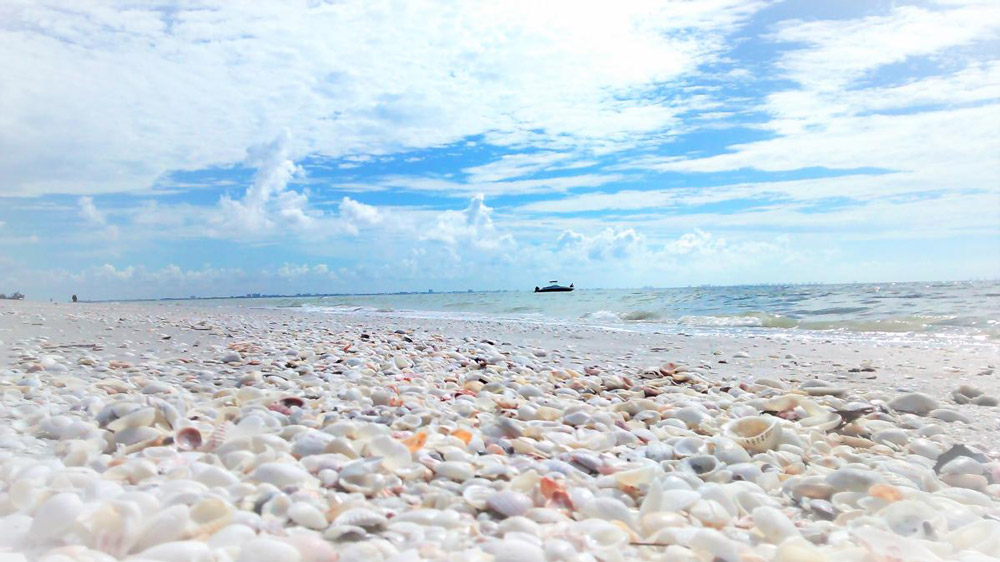
Florida, with its sun-soaked coastline and crystal-clear waters, is a paradise for shell collectors. Known for its diverse marine life and unique geography, the Sunshine State offers some of the best shelling opportunities in the world.
From rare finds like the coveted Junonia shell to fossilized shark teeth, Florida’s beaches are a treasure trove waiting to be explored.
In this article, we’ll guide you through the 13 best shelling beaches in Florida, offering tips, insights, and everything you need to plan your next shelling adventure.
1. Sanibel Island – The Shelling Capital of the World
Sanibel Island is often hailed as the ultimate destination for shelling enthusiasts. Its unique east-west orientation acts as a natural scoop, collecting shells from the Gulf of Mexico and depositing them along its shores. This phenomenon has earned Sanibel the title of “The Shelling Capital of the World.”
Top Beaches on Sanibel Island:
- Bowman’s Beach: Known for its tranquil atmosphere and diverse shell collection, this beach is perfect for those seeking a peaceful shelling experience.
- Lighthouse Beach: Located on the island’s eastern tip, this spot is famous for rare finds like alphabet cones and tulip shells.
- Blind Pass Beach: Situated between Sanibel and Captiva Islands, this beach is ideal for finding larger shells due to its strong currents.
Shell Types Found:
Sanibel Island is home to an impressive variety of shells, including lightning whelks, conchs, cockles, coquinas, and the highly sought-after Junonia shell.
Tips for Shelling on Sanibel Island:
- Visit during low tide or early morning hours for the best chances of finding intact shells.
- After storms, the influx of shells increases dramatically, making it an ideal time to explore.
- Don’t forget to practice the “Sanibel Stoop,” a term coined for the bent-over posture shell collectors adopt while combing through the sand.
Sanibel Island isn’t just about shelling; it’s also a haven for nature lovers. The J.N. “Ding” Darling National Wildlife Refuge offers opportunities to spot exotic birds and other wildlife while you’re in the area.
2. Captiva Island – A Quieter Alternative to Sanibel
Connected to Sanibel via a small bridge, Captiva Island offers a more serene shelling experience with fewer crowds. This hidden gem boasts similar shell varieties to its famous neighbor but with a more laid-back atmosphere.
Best Spots for Shelling on Captiva:
- Turner Beach: Located near the rocky jetty at Blind Pass, this beach is a hotspot for shell collectors. The currents here bring in a variety of shells, making it an excellent place to find unique specimens.
- Captiva Drive beaches: The stretch of beaches along Captiva Drive offers numerous access points, each with its own charm and shelling potential.
Shell Varieties:
Captiva’s shores are home to an array of beautiful shells, including:
- Augers
- Cockles
- Alphabet cones
- Lightning whelks
- Sand dollars
Shelling Tips for Captiva Island:
- Time your visit with the low tide for the best shell selection.
- Explore the wrack line (the line of debris left by high tide) for interesting finds.
- Bring a mesh bag to collect your treasures, allowing sand and water to drain easily.
3. Marco Island – Tigertail Beach and Sand Dollar Spit
Marco Island, located in Southwest Florida, is renowned for its pristine beaches and abundant shell beds. The island’s location makes it a prime spot for shell collectors, with two notable areas standing out:
Tigertail Beach:
This crescent-shaped beach is a sheller’s paradise, known for its variety of shells and unique lagoon setting.
- Best Finds: Sand dollars, moon snails, and lion’s paws
- Tips: Search near the waterline during low tide for the best results
Sand Dollar Spit:
Accessible via kayak or a long walk during low tide, Sand Dollar Spit is a hidden gem for serious shell collectors.
- Rare Finds: Fighting conchs and tulip shells
- Adventure Factor: The journey to reach this spot adds to the thrill of the hunt
Marco Island Shelling Advice:
- Check the tide charts and plan your visit around low tide
- Bring water shoes to protect your feet from sharp shells and hot sand
- Consider joining a guided shelling tour to discover the best spots and learn about local marine life
4. Caladesi Island State Park – Pristine and Undisturbed
Caladesi Island State Park offers a unique shelling experience due to its limited accessibility and pristine environment. This undeveloped barrier island is only reachable by ferry from nearby Honeymoon Island or by private boat.
Why Caladesi Island is Special for Shelling:
- Limited human interference leads to an abundance of untouched shells
- The island’s natural state provides a glimpse into Florida’s unspoiled coastal ecosystems
Shell Types Commonly Found:
- Sand dollars
- Augers
- Olives
- Angel wings
- Scallops
- Clam shells
Visiting Caladesi Island:
- Take the ferry from Honeymoon Island State Park
- Plan for a full day trip to make the most of your shelling adventure
- Bring essentials like water, sunscreen, and snacks as amenities are limited
Caladesi Island isn’t just about shelling; it’s also an excellent spot for kayaking through mangrove trails and observing native wildlife. The combination of pristine beaches and natural beauty makes it a must-visit destination for nature enthusiasts and shell collectors alike.
5. Honeymoon Island – Family-Friendly Shelling Spot
Honeymoon Island, located near Dunedin on Florida’s Gulf Coast, is a fantastic destination for families looking to combine a beach day with shelling adventures. Its calm waters, easy accessibility, and well-maintained amenities make it a favorite among locals and tourists alike.
Why Honeymoon Island is Perfect for Shelling:
- The island’s location along the Gulf of Mexico ensures a steady supply of shells washed ashore.
- Family-friendly facilities, such as picnic areas, restrooms, and parking, make it convenient for visitors of all ages.
Top Shelling Areas:
- The northern end of the island is particularly productive for shell collectors. This area is less crowded and offers a wide variety of shells.
- The rocky areas near the shoreline are great for finding shells lodged in crevices.
Common Shell Types Found:
- Conchs
- Cockles
- Olives
- Scallops
- Sand dollars
Tips for Shelling on Honeymoon Island:
- Arrive early in the morning to beat the crowds and get first pick of the shells.
- Bring water shoes as some areas can be rocky.
- Use a small rake or scoop to sift through the sand for hidden treasures.
Beyond shelling, Honeymoon Island State Park offers hiking trails through pine forests and mangroves, providing opportunities to spot wildlife like ospreys and gopher tortoises. It’s a well-rounded destination that combines outdoor recreation with shelling fun.
6. Venice Beach – The Shark Tooth Capital of the World
Venice Beach in Sarasota County is famous not only for its beautiful shells but also for its fossilized shark teeth. This unique combination makes it one of Florida’s most intriguing shelling destinations.
What Sets Venice Beach Apart:
- Fossilized shark teeth are abundant due to ancient marine deposits offshore.
- The beach’s dark sand contrasts beautifully with the bright white shells and black shark teeth, making finds easier to spot.
Best Areas for Shelling and Shark Tooth Hunting:
- Caspersen Beach: Known as one of the best spots in Venice for finding shark teeth. Bring a sifter or small rake to search through the sand effectively.
- Venice Jetty: A hotspot for both shells and teeth, especially after storms.
Types of Finds:
- Fossilized shark teeth (including megalodon teeth)
- Scallops
- Whelks
- Coquinas
Tips for Success:
- Use specialized tools like sifters or strainers to comb through wet sand.
- Check tide charts and visit during low tide or after storms when new treasures are uncovered.
- Be patient; finding shark teeth can take time but is incredibly rewarding.
Venice Beach also hosts an annual Shark Tooth Festival, celebrating its unique claim to fame. Whether you’re hunting for prehistoric fossils or stunning seashells, Venice Beach offers an unforgettable experience.
7. Ten Thousand Islands – Remote and Rewarding
The Ten Thousand Islands region, located south of Marco Island, is a remote collection of barrier islands that offers some of Florida’s most rewarding shelling experiences. Accessible primarily by boat or kayak, this area is perfect for adventurous shell collectors seeking untouched beaches.
Top Shelling Spots in Ten Thousand Islands:
- Kice Island: Known for its rare Junonia shells and other unique finds.
- Cape Romano: Famous not only for its shell beds but also for the iconic Dome Houses visible offshore.
Shell Varieties Found:
- Fighting conchs
- Tulip shells
- Lightning whelks
- Sand dollars
Why Ten Thousand Islands is Unique:
The remoteness of these islands ensures minimal human impact, resulting in pristine beaches filled with shells that haven’t been picked over by crowds.
How to Explore Ten Thousand Islands:
- Take a guided boat tour from Marco Island or Everglades City.
- Rent a kayak if you’re comfortable navigating shallow waters.
- Bring plenty of supplies (water, sunscreen, snacks) as there are no amenities on these islands.
The Ten Thousand Islands offer more than just shelling—wildlife enthusiasts can spot dolphins, manatees, and a variety of bird species while exploring this natural wonderland.
8. Amelia Island – Fernandina Beach Treasures
Located in northern Florida near Jacksonville, Amelia Island offers a different flavor of shelling compared to its Gulf Coast counterparts. With its Atlantic Ocean location and historic charm, this island provides an exciting mix of beachcombing opportunities and cultural experiences.
Why Amelia Island is Great for Shelling:
Amelia Island’s beaches are less crowded than many other Florida destinations, making it easier to find hidden treasures along the shorelines.
Top Shelling Spots:
- Fernandina Beach: This popular beach often reveals sand dollars and whelks after storms or during low tide.
- Fort Clinch State Park: A quieter area with natural beauty and excellent shelling conditions.
Common Finds on Amelia Island:
- Sand dollars
- Whelks
- Coquinas
- Shark teeth (especially after storms)
Tips for Shell Collectors:
- Visit after storms when waves bring fresh shells ashore.
- Explore early in the morning before other collectors arrive.
- Check out tide pools along the shorelines for smaller but fascinating finds.
In addition to shelling, Amelia Island boasts historic sites like Fort Clinch and charming downtown Fernandina Beach with its boutique shops and restaurants—making it an ideal destination for families or couples looking to combine relaxation with adventure.
9. Jupiter Island – Treasure Coast Gems
Jupiter Island, located along Florida’s Treasure Coast, is a haven for shell collectors seeking unique and colorful finds. The area is known for its natural beauty and over 200 species of shells that wash ashore throughout the year.
Best Shelling Spot on Jupiter Island:
- Coral Cove State Park: This park is a must-visit for shell enthusiasts. Its limestone rock formations create small tide pools that trap shells, making it easier to find rare specimens.
Shell Varieties Found:
- Spectral bittersweets
- Lion’s paws
- Scallops
- Cockles
Why Jupiter Island Stands Out:
The combination of natural limestone reefs and calm waters makes this area ideal for both shelling and snorkeling. The reefs often hide shells that are revealed during low tide or after storms.
Tips for Shelling on Jupiter Island:
- Wear water shoes to navigate the rocky shoreline safely.
- Check tide charts and visit during low tide for the best shelling opportunities.
- Bring a small net or scoop to explore tide pools.
Jupiter Island’s serene environment and abundance of marine life make it a top choice for shell collectors looking to escape the crowds while enjoying Florida’s coastal beauty.
10. Hutchinson Island – Hidden East Coast Gem
Hutchinson Island, located along Florida’s Atlantic Coast, is an underrated destination for shelling enthusiasts. Its quiet beaches and natural reefs provide excellent opportunities to find unique treasures.
Why Hutchinson Island is a Hidden Gem:
- The island’s beaches are less frequented by tourists, leaving more shells undisturbed.
- Natural reefs along the coast create ideal conditions for shells to accumulate.
Top Shelling Areas:
- Bathtub Reef Beach: This beach is named after its shallow reef system, which acts as a natural barrier and traps seashells.
- Blind Creek Beach: A quieter spot where you can find sand dollars and coquinas.
Common Finds on Hutchinson Island:
- Sand dollars
- Coquinas
- Scallops
- Frosted sea glass
Tips for Exploring Hutchinson Island:
- Visit early in the morning or after storms to maximize your chances of finding rare shells.
- Bring a mesh bag to collect your finds while allowing sand and water to drain.
- Respect the island’s natural beauty by leaving live shells untouched.
Hutchinson Island offers a peaceful retreat for shell collectors who want to enjoy Florida’s Atlantic Coast without the hustle and bustle of more popular destinations.
11. Fort De Soto Park – Tampa Bay’s Shelling Haven
Fort De Soto Park, located near St. Petersburg in Tampa Bay, is a sprawling park with five interconnected islands offering some of the best shelling opportunities in the region. Its diverse ecosystems make it a hotspot for marine life and seashells alike.
Top Shelling Spot in Fort De Soto Park:
- North Beach: This beach consistently ranks as one of the best in the United States for its pristine sand and abundant shells.
Shell Varieties Found:
- Lightning whelks
- Jingle shells
- Sand dollars
- Conchs
Why Fort De Soto Park is Ideal for Shelling:
The park’s location at the mouth of Tampa Bay allows currents to deposit a wide variety of shells along its shores. Additionally, its protected status ensures minimal human impact on the environment.
Tips for Visiting Fort De Soto Park:
- Arrive early to avoid crowds and secure parking.
- Explore near the waterline during low tide for the best finds.
- Take advantage of other park amenities, such as kayaking trails and picnic areas, to make it a full-day adventure.
Fort De Soto Park combines excellent shelling with opportunities to explore Florida’s natural beauty, making it a must-visit destination for outdoor enthusiasts.
12. Shell Key Preserve – A Nature Lover’s Paradise
Shell Key Preserve, located near St. Pete Beach, is an undeveloped barrier island accessible only by boat or kayak. Its remote location ensures an abundance of untouched shells and a pristine environment perfect for nature lovers.
What Makes Shell Key Preserve Unique:
- The lack of development means minimal human interference, resulting in beaches filled with unspoiled treasures.
- The preserve is also home to diverse wildlife, including shorebirds and marine creatures.
Best Shelling Areas:
The entire island offers excellent shelling opportunities, but the southern tip tends to have the highest concentration of shells due to tidal flows.
Common Finds at Shell Key Preserve:
- Olives
- Whelks
- Sand dollars
- Scallops
Tips for Visiting Shell Key Preserve:
- Rent a kayak or join a guided tour to access the island.
- Bring plenty of supplies (water, sunscreen, snacks) as there are no facilities on the preserve.
- Respect local wildlife by keeping your distance from nesting birds and other animals.
Shell Key Preserve offers an unparalleled combination of natural beauty and shelling opportunities, making it a top choice for collectors who value solitude and unspoiled landscapes.
13. Cedar Key – A Hidden Gulf Coast Gem
Cedar Key, a small cluster of islands on Florida’s Gulf Coast, is a lesser-known destination for shelling enthusiasts. Its remote location and quiet beaches make it an excellent spot for finding unique shells without the crowds.
Why Cedar Key is a Hidden Gem for Shelling:
- The area’s tidal pools and shallow waters are perfect for uncovering shells that are often overlooked at busier beaches.
- Its small-town charm and lack of heavy tourism ensure that the beaches remain relatively undisturbed.
Top Shelling Spots in Cedar Key:
- Cedar Key Beach: The main beach offers easy access to shelling opportunities, especially during low tide.
- Tidal Pools: Explore the tidal pools along the shore for hidden treasures like cockles and clams.
Types of Shells Found:
- Cockles
- Clam shells
- Scallops
- Coquinas
Tips for Shelling in Cedar Key:
- Visit during low tide or after storms when shells are more likely to be exposed.
- Bring water shoes to navigate the rocky and muddy areas near tidal pools.
- Take your time exploring; many of the best finds are hidden in shallow waters or sandbars.
Cedar Key is not just about shelling—it’s also a great place to enjoy fresh seafood, explore local art galleries, and experience Florida’s Old Florida charm. The combination of natural beauty and tranquility makes it a must-visit destination for shell collectors looking for something off the beaten path.
Best Times and Tips for Shelling in Florida
To make the most of your shelling adventures in Florida, timing and preparation are key. Here’s what you need to know:
Best Times for Shelling:
- Low Tide: The receding water exposes more of the beach, making it easier to find shells along the wrack line (the line of debris left by high tide).
- Early Mornings: Arriving early ensures you get first pick before other collectors arrive.
- After Storms: Storms churn up the ocean floor, bringing rare and unique shells ashore.
- Winter Months (December–May): During these months, lower tides and calmer waters on the Gulf Coast make it ideal for shelling.
Essential Gear for Shell Collectors:
- Mesh Bags: Perfect for collecting shells while allowing sand and water to drain.
- Water Shoes: Protect your feet from sharp shells, rocks, or hot sand.
- Small Rakes or Scoops: Useful for sifting through sand or shallow water.
- Tide Charts: Check local tide schedules to plan your visit during low tide.
- Sunscreen and Hats: Protect yourself from the Florida sun while enjoying your day on the beach.
Pro Tips for Shelling Success:
- Focus on areas near sandbars, tidal pools, or rocky outcroppings where shells tend to accumulate.
- Walk slowly and scan the ground carefully—many treasures are hidden just beneath the surface.
- Respect nature by leaving live shells untouched and returning them to the water if found.
By following these tips, you’ll maximize your chances of finding rare and beautiful shells while enjoying Florida’s stunning coastline.
Eco-Friendly Shelling Practices
As you explore Florida’s beaches in search of seashells, it’s essential to prioritize eco-friendly practices to protect marine life and preserve these natural treasures for future generations.
Responsible Shell Collecting:
- Leave Live Shells Behind: In Florida, it is illegal to collect live shells (e.g., sand dollars, starfish). Always check if a shell is inhabited before taking it home.
- Take Only What You Need: Avoid over-collecting; leave some shells behind so others can enjoy them too.
- Respect Dunes and Vegetation: Stay on designated paths to protect fragile coastal ecosystems.
Florida Laws on Shell Collection:
Florida law prohibits the collection of live marine organisms without a proper permit. This includes live conchs, whelks, starfish, and sand dollars. Violating these laws can result in fines or other penalties.
Leave No Trace:
Always clean up after yourself when visiting beaches. Dispose of trash properly and avoid disturbing wildlife habitats.
By practicing eco-friendly shelling habits, you can enjoy this rewarding activity while ensuring that Florida’s beaches remain beautiful and vibrant for years to come.
FAQs About Shelling in Florida
Here are answers to some common questions about shelling in Florida:
What is the best time of year to go shelling in Florida?
The winter months (December–May) are ideal due to lower tides and calmer Gulf waters that bring more shells ashore.
Can you collect live shells in Florida?
No, it is illegal to collect live shells such as sand dollars or starfish without a permit. Always check if a shell is occupied before taking it home.
Which coast is better for shelling—Gulf or Atlantic?
The Gulf Coast is generally better for shelling due to its calmer waters and wider variety of intact shells. However, Atlantic beaches can be rewarding after storms.
What gear should I bring for a successful shelling trip?
Bring mesh bags, water shoes, sunscreen, small rakes or scoops, and a tide chart to maximize your success.
Are there guided shelling tours available?
Yes! Many popular destinations like Sanibel Island and Marco Island offer guided tours that take visitors to prime shelling spots while providing insights into local marine life.
Conclusion
Florida’s coastline is truly a paradise for shell collectors, offering diverse opportunities across its Gulf Coast and Atlantic shores. From world-famous destinations like Sanibel Island to hidden gems like Cedar Key, each beach has its own unique charm and treasures waiting to be discovered.
Whether you’re an experienced collector searching for rare finds like Junonia shells or a casual beachcomber looking to enjoy nature’s beauty, Florida has something for everyone.
By following responsible shelling practices and planning your trips around low tides or stormy weather conditions, you’ll create unforgettable memories while preserving these natural wonders for generations to come.
So grab your gear, head out early, and start exploring the 13 best shelling beaches in Florida—you never know what treasures await!
